


 CART
0
Items
0.00
CART
0
Items
0.00

NEWS & BLOG · October 5, 2025 · By Zhithera
When you bring fragrance into your home, it helps to know what the common safety standards and documents actually mean. The two you will see most often are IFRA and MSDS. Neither one tells you how a scent will suit you personally, but both tell you a lot about how responsibly a product has been made and documented. This guide explains each in plain language, and why testing and traceability matter.
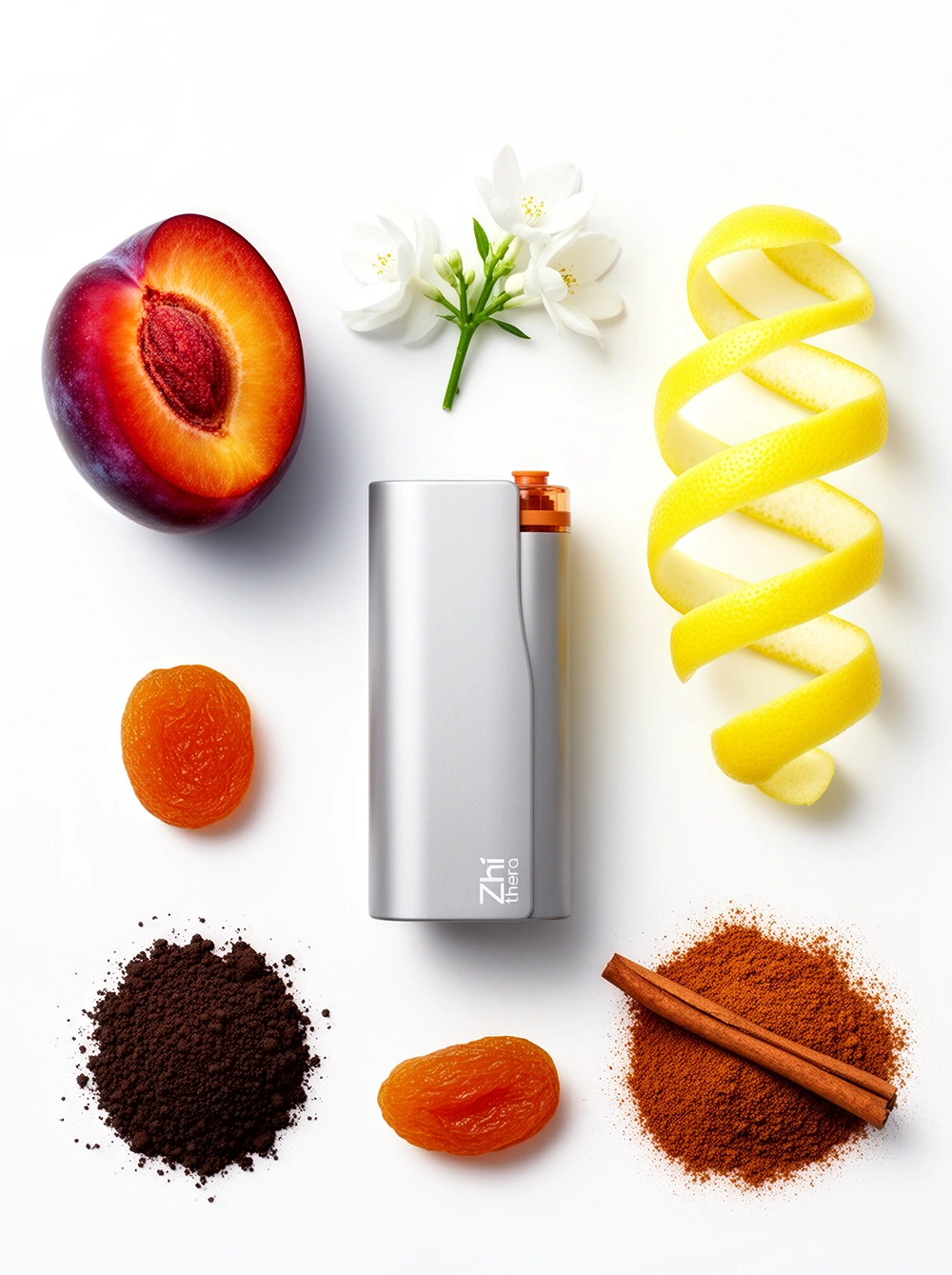
Whether you are choosing a fragrance oil or an essential oil, a little label literacy goes a long way. Standards and documents are how a maker shows what is in the bottle.
The International Fragrance Association (IFRA) publishes widely recognized standards for fragrance materials, including which ingredients may be used and at what levels. A fragrance formulated to IFRA standards has been built within those limits, which is a sensible baseline to look for.
A Material Safety Data Sheet (MSDS), now usually prepared in the GHS format and often just called an SDS, describes a product's composition, hazard classification, safe handling, storage and transport information. A current MSDS from a recognized testing laboratory shows that a maker is willing to document what is in the bottle and how it should be handled.
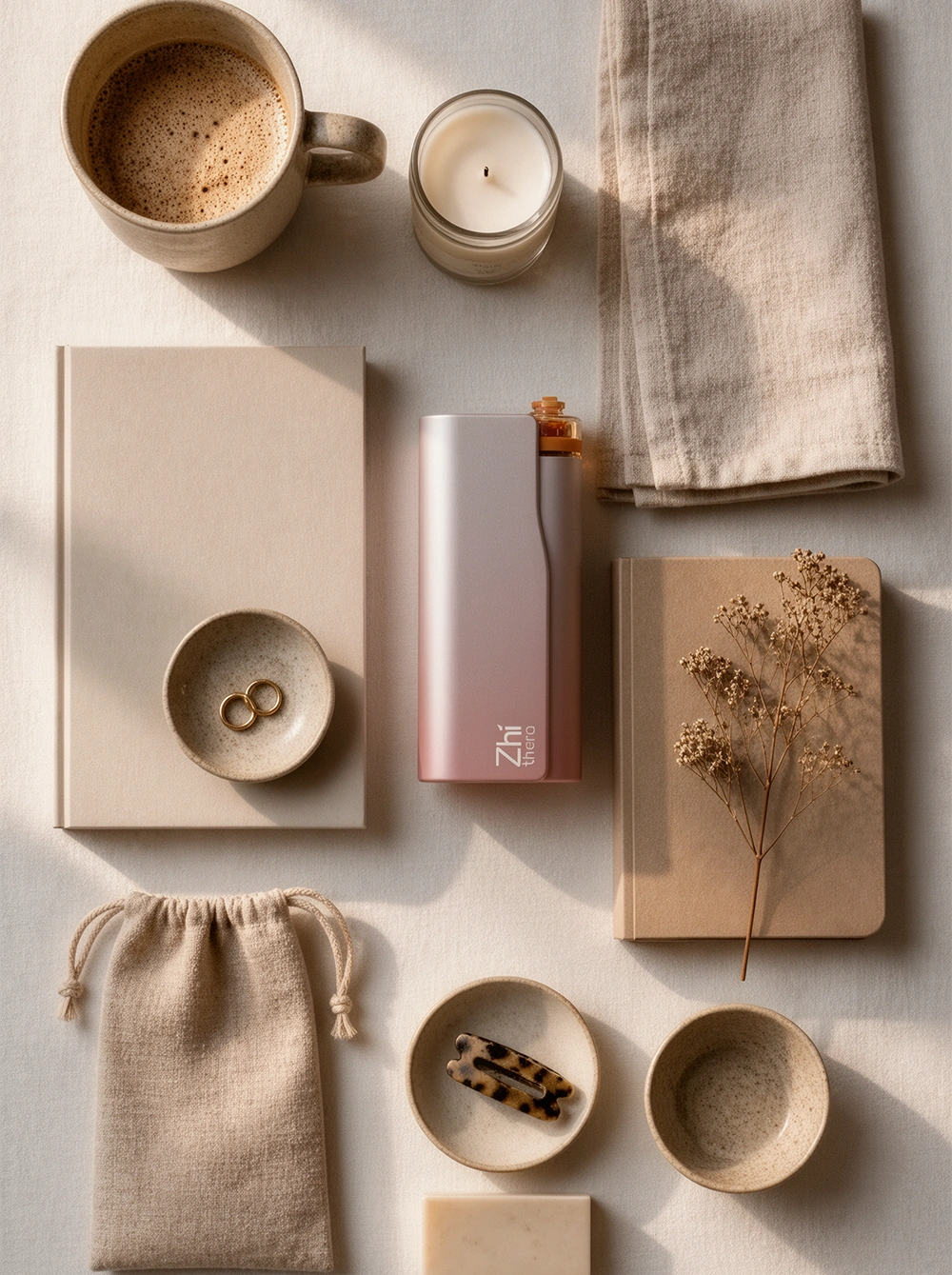
Zhithera's 100 ml fragrance oils are made with raw materials custom-developed by Givaudan and formulated to IFRA standards. They contain no added preservatives and tested benzene-free under laboratory conditions. Their MSDS, issued by PONY Testing to the GHS format, classifies them as non-hazardous and not restricted as dangerous goods for air, sea or road shipping. Zhithera's essential oils are labeled with Latin name, plant part, extraction method and origin, and batches are traceable. Most are single-note oils; a few are clearly labeled as blends of essential oil with a natural atomization solvent (see pure oils vs diluted blends). If you'd like to see the MSDS, contact our support team. You can see the full range on the Zhithera 100 ml fragrance oil page.
No. An MSDS describes composition, handling and storage. Zhithera oils are for diffusion only: never apply them to skin or swallow them, and keep them away from children and pets.
IFRA standards are set by the fragrance industry and followed voluntarily by its members. They are a useful sign of responsible formulation rather than a government approval.
Yes. Contact our support team and we can share it.
Zhithera oils are non-medical aromatic products for diffusion only and are not intended to diagnose, treat, cure or prevent any condition.
 October 18, 2026
Are Waterless Diffusers Worth It? Cost vs Value
October 18, 2026
Are Waterless Diffusers Worth It? Cost vs Value
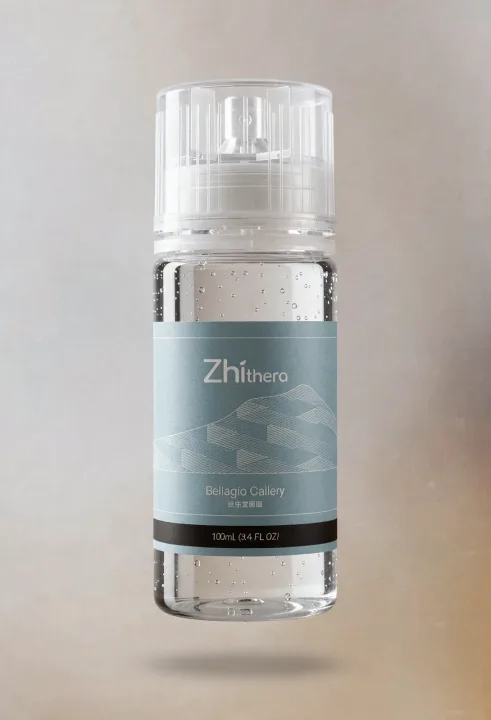 October 14, 2026
Nebulizing Diffuser One: How a Single Waterless Unit Works
October 14, 2026
Nebulizing Diffuser One: How a Single Waterless Unit Works
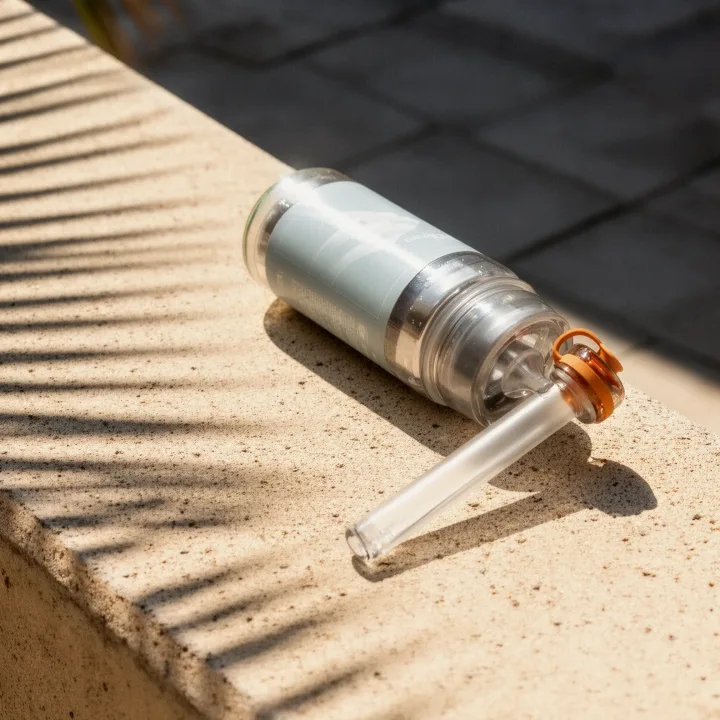 October 13, 2026
Private Label Waterless Diffusers and Custom Scents: How OEM with Zhithera Works
October 13, 2026
Private Label Waterless Diffusers and Custom Scents: How OEM with Zhithera Works
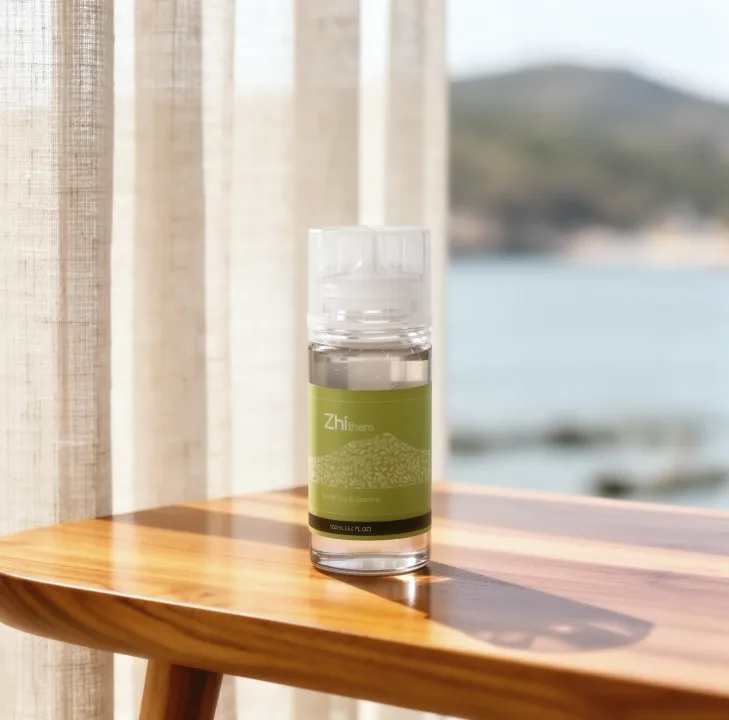 October 13, 2026
Scenting Solutions for Hotels, Offices & Automotive Businesses
October 13, 2026
Scenting Solutions for Hotels, Offices & Automotive Businesses
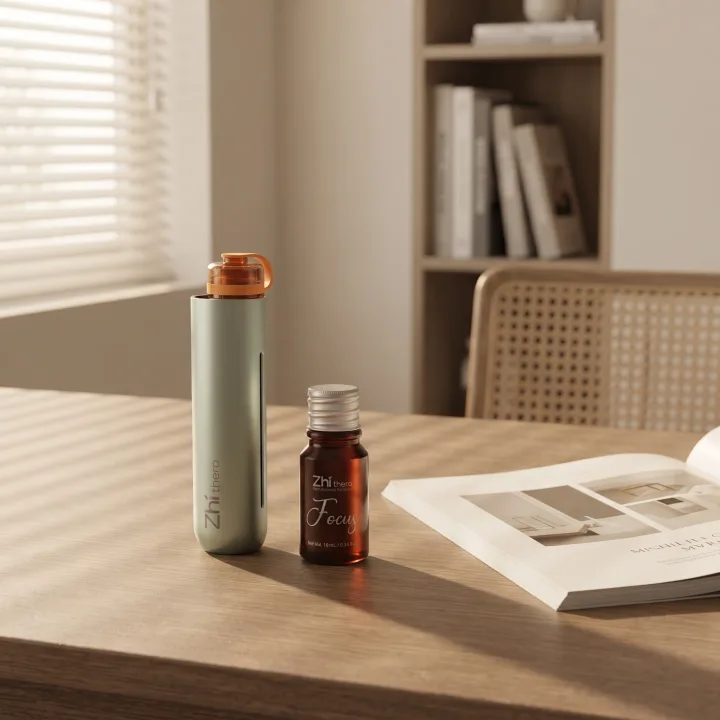 October 11, 2026
How Sustainable Are Waterless Diffusers? Water, Oil and Hardware
October 11, 2026
How Sustainable Are Waterless Diffusers? Water, Oil and Hardware
 October 7, 2026
Side-by-Side Diffuser Model Comparison and Tech Specs
October 7, 2026
Side-by-Side Diffuser Model Comparison and Tech Specs


Zhithera – A Professional Aromatherapy Delivery System Zhithera designs waterless, heat-free diffusers that atomize pure botanical essential oils and designer fragrance oils into a micron-fine mist using Advanced Micro-Mesh Atomization. Built for consistent, controllable aromatic states — focus, relaxation, recovery and restful ambiance — our range serves homes, offices, cars, spas, hotels and retail spaces worldwide. Every batch is traceable and supported by recognized third-party testing, with dependable wholesale and distribution support for partners around the globe.
Aromatherapy & Essential Oil Notice
Zhithera essential oils and fragrance oils are non-medical aromatic products intended for diffusion only. They are not intended to diagnose, treat, cure or prevent any disease or condition, and are not medical devices. Do not apply oils to skin or ingest them, and keep oils and devices out of reach of children and pets. Ensure good ventilation, and if you are pregnant, nursing or have a medical condition, please consult a qualified professional before use. Scent is experienced differently by everyone; discontinue use if any irritation occurs. We make no therapeutic, disinfecting or insect-repellent claims for any Zhithera product.