


 CART
0
Items
0.00
CART
0
Items
0.00
NEWS & BLOG · June 13, 2025 · By Zhithera
The short answer: an essential oil carries the aromatic compounds of a single plant, extracted by steam distillation or cold pressing, so it smells of that plant and shifts a little from harvest to harvest. A fragrance oil is composed by perfumers to a fixed profile that comes out the same in every batch and is built to hold in the air longer. Neither is better. Essential oils suit a close, botanical moment that comes and goes; fragrance oils suit a room you want smelling the same at 9 a.m. and 9 p.m.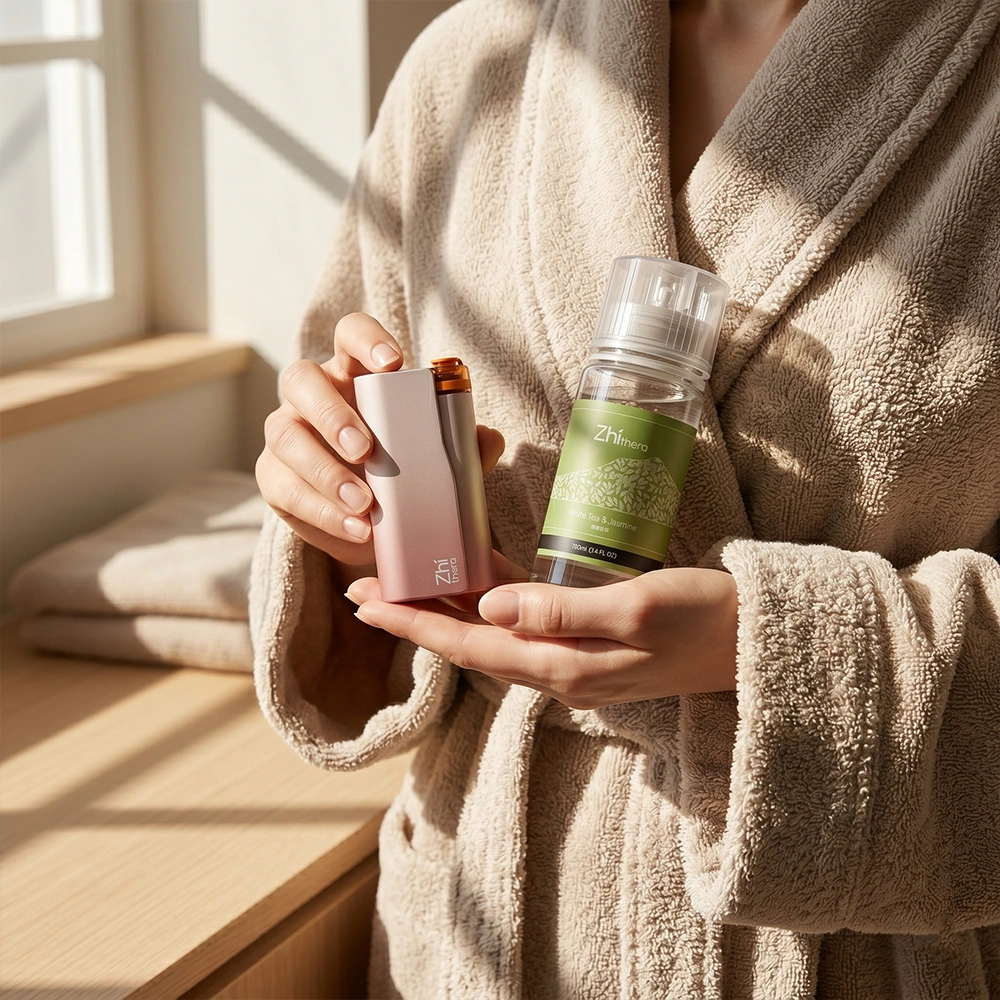
| Botanical essential oils | Designer fragrance oils | |
|---|---|---|
| Where it comes from | One plant: flower, leaf, peel, wood or resin | Composed from aromatic materials by perfumers |
| How it is made | Steam distillation or cold pressing | Formulated to a fixed profile |
| Batch to batch | Varies with harvest and region | Consistent every time |
| How long it holds | Bright, disperses and fades faster | Built to linger |
| Range of scents | Whatever the plant yields | Can include notes that are hard to draw from a single plant |
| Best suited to | Bedroom, study, car: close personal range | Living room, shop floor, hospitality: larger spaces, all day |
An essential oil captures the volatile aromatic compounds of one botanical, which is why its character reflects the plant, the harvest and the region it came from. An Italian bergamot and a Brazilian sweet orange are both citrus, yet each smells distinctly of where it grew. That variation is part of the appeal. It also means nothing has been added to fix the scent in place, so a pure essential oil spreads quickly and fades quickly, which is exactly why it works best close by.
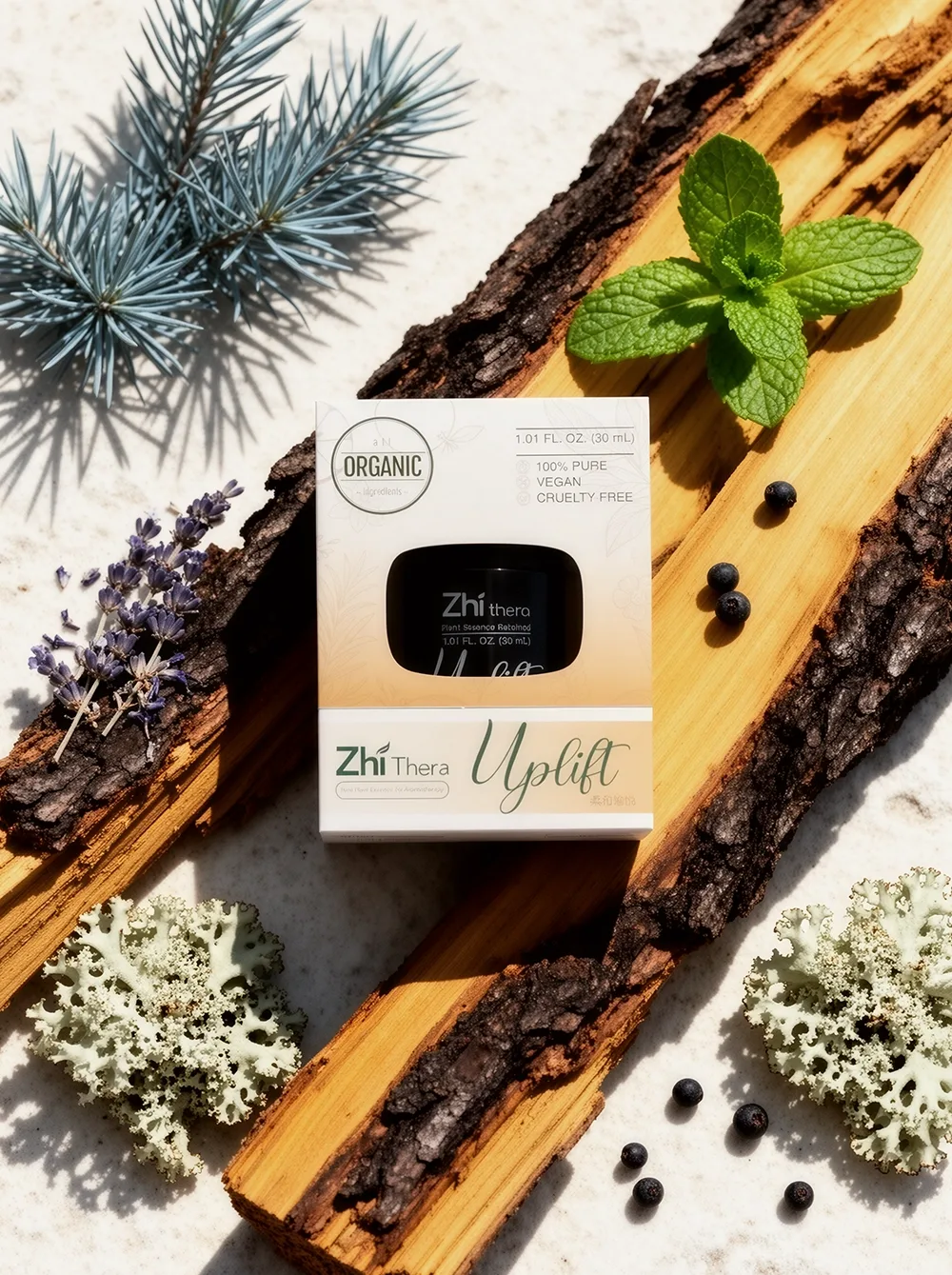
A fragrance oil is built from aromatic ingredients to hit a precise, repeatable profile. That construction lets a fragrance line offer accords that would be difficult to capture from one plant, layered into top, heart and base notes the way a fine fragrance is. It is also what makes the scent hold: a composed fragrance is designed with longevity in mind, so a room stays consistent through the day. Zhithera's fragrance oils come in 100 mL bottles, in four scents, formulated by Givaudan. Zhithera makes both: 10 ml botanical essential oils and 100 ml fragrance oils for waterless diffusers.
Reach for pure essential oils when you want a natural, botanical experience: a bright citrus morning with sweet orange or lemon (see citrus essential oils), a quiet evening with lavender, or a fresh, herbal note at your desk with rosemary (more in our guide to desk-friendly essential oils). Choose fragrance oils when you want one signature room scent that stays the same every time and carries further. That is the usual answer for living rooms, guests, shops and hospitality spaces.
Room size is a good tiebreaker. For a bedside table, desk or car, either oil on a low or intermittent setting is plenty. For a bedroom or study of roughly 10 to 15 square meters, essential oils work well on low to medium, and fragrance oil is the pick if you want the scent to hold longer. In a living room or larger space, fragrance oil is the more practical choice.
Quality is a separate question from type, and it matters for both. With essential oils, source and labeling count: look for the botanical name, the part of the plant used, the extraction method and the origin. With fragrance oils, look for a consistent, well-made composition; our article on understanding IFRA and MSDS explains what those documents tell you. Whichever you choose, thin, low-viscosity oils are what keep a mesh diffuser misting cleanly; oils cut with carrier oils such as grapeseed, jojoba or olive tend to clog it. Our guide to pure oils vs diluted blends explains why.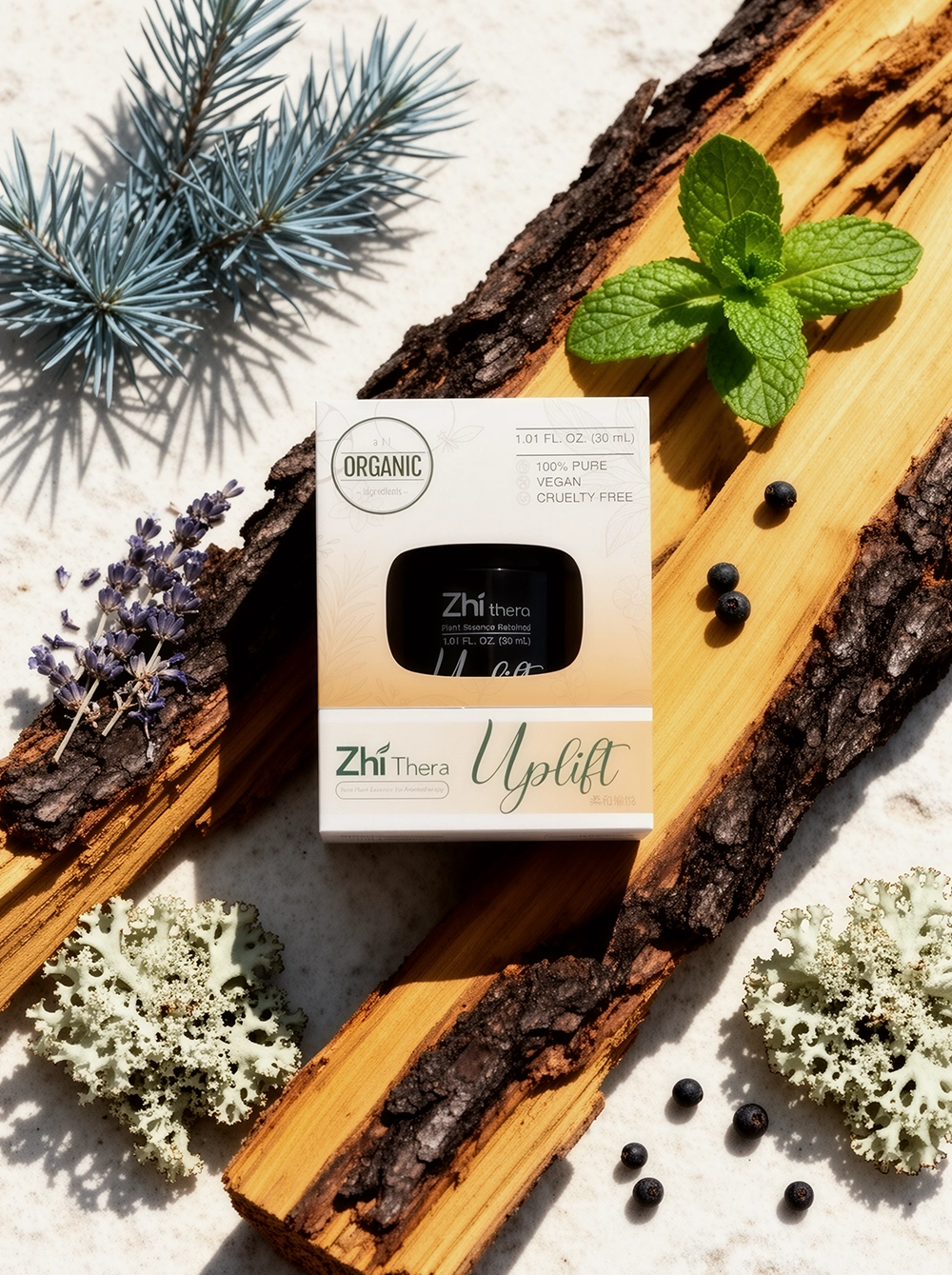
It depends on what the oil chamber is made of. Many common plastics can swell or crack after long contact with neat essential oils, which is why plenty of diffusers call for diluted, water-based scent liquids instead. Zhithera's cartridges are made from oil-resistant materials, and the diffusers use waterless, heat-free micro-mesh atomization (see how micro-mesh atomization works), so both pure essential oils and fragrance oils mist directly from the same device. To move between them, swap the refillable cartridge rather than mixing oils in one, since different scents muddy each other. The waterless diffusers collection, including the D1 and D1 Mini, runs both lines.
No. A fragrance oil for diffusion is made to be atomized into a room, not worn. Don't put perfume or alcohol-based body sprays in a diffuser cartridge.
Pure essential oils are small-molecule and nothing is added to fix them, so they disperse and fade quickly. That makes them ideal for close range and less suited to filling a large room all day.
It's better not to. Use one oil per cartridge and keep a second cartridge for the other line.
Essential oils and fragrance oils are aromatic products for diffusion only. Never apply them to skin or swallow them. They are not intended to diagnose, treat, cure or prevent any condition; keep them out of reach of children and pets, and diffuse in a well-ventilated space.
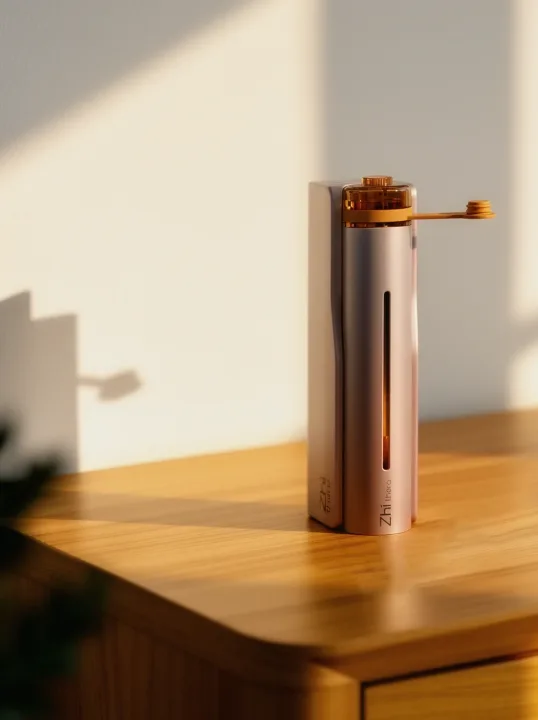 October 18, 2026
Are Waterless Diffusers Worth It? Cost vs Value
October 18, 2026
Are Waterless Diffusers Worth It? Cost vs Value
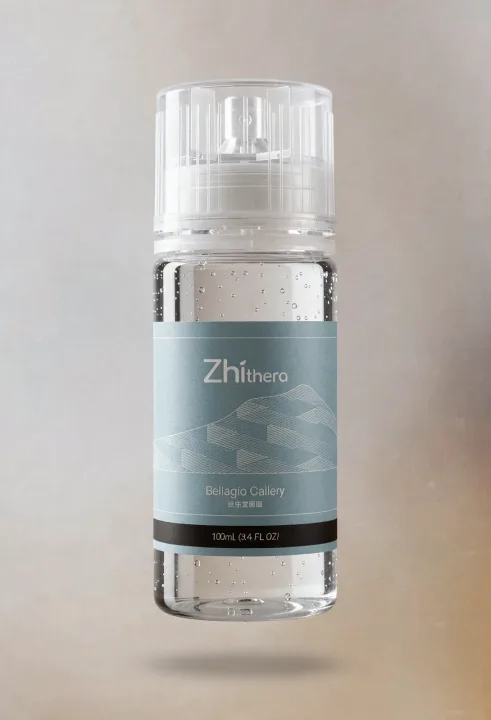 October 14, 2026
Nebulizing Diffuser One: How a Single Waterless Unit Works
October 14, 2026
Nebulizing Diffuser One: How a Single Waterless Unit Works
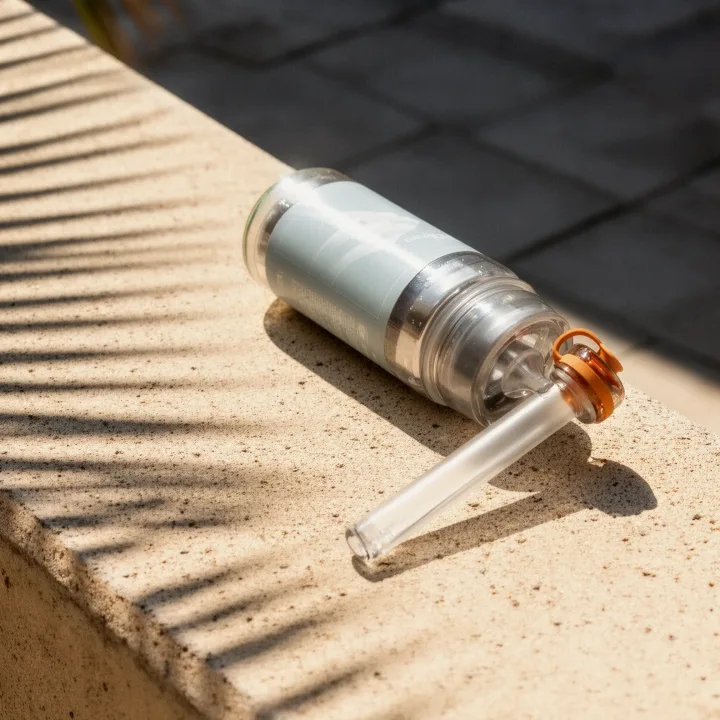 October 13, 2026
Private Label Waterless Diffusers and Custom Scents: How OEM with Zhithera Works
October 13, 2026
Private Label Waterless Diffusers and Custom Scents: How OEM with Zhithera Works
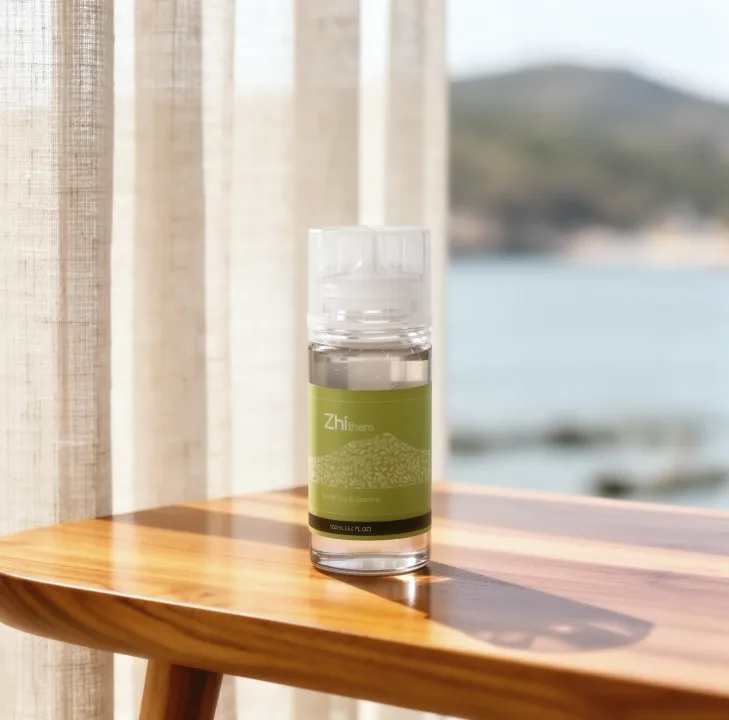 October 13, 2026
Scenting Solutions for Hotels, Offices & Automotive Businesses
October 13, 2026
Scenting Solutions for Hotels, Offices & Automotive Businesses
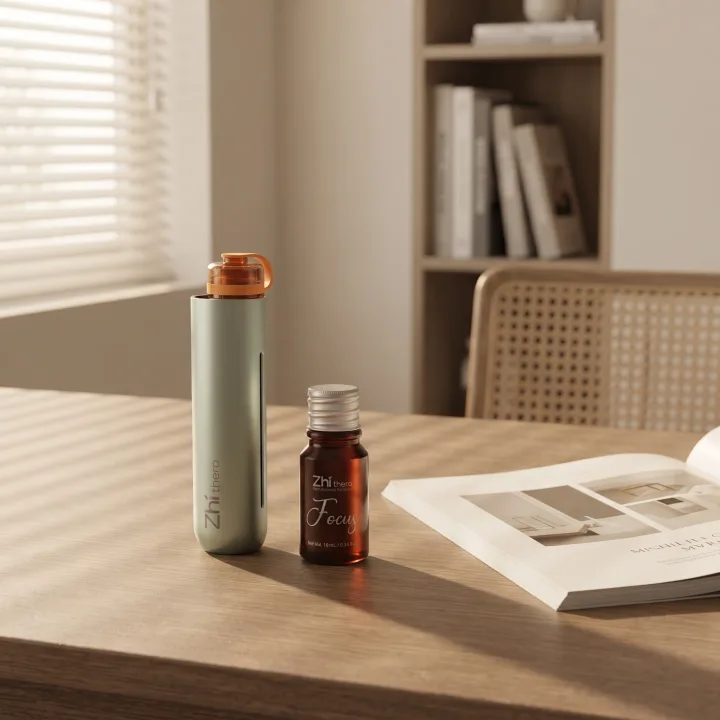 October 11, 2026
How Sustainable Are Waterless Diffusers? Water, Oil and Hardware
October 11, 2026
How Sustainable Are Waterless Diffusers? Water, Oil and Hardware
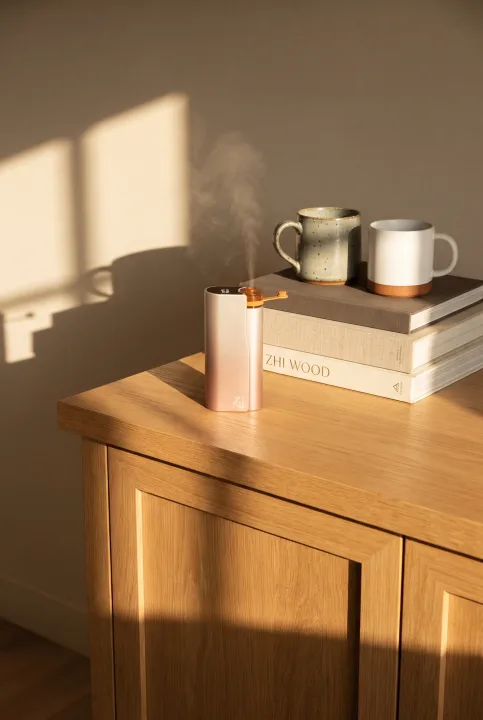 October 7, 2026
Side-by-Side Diffuser Model Comparison and Tech Specs
October 7, 2026
Side-by-Side Diffuser Model Comparison and Tech Specs


Zhithera – A Professional Aromatherapy Delivery System Zhithera designs waterless, heat-free diffusers that atomize pure botanical essential oils and designer fragrance oils into a micron-fine mist using Advanced Micro-Mesh Atomization. Built for consistent, controllable aromatic states — focus, relaxation, recovery and restful ambiance — our range serves homes, offices, cars, spas, hotels and retail spaces worldwide. Every batch is traceable and supported by recognized third-party testing, with dependable wholesale and distribution support for partners around the globe.
Aromatherapy & Essential Oil Notice
Zhithera essential oils and fragrance oils are non-medical aromatic products intended for diffusion only. They are not intended to diagnose, treat, cure or prevent any disease or condition, and are not medical devices. Do not apply oils to skin or ingest them, and keep oils and devices out of reach of children and pets. Ensure good ventilation, and if you are pregnant, nursing or have a medical condition, please consult a qualified professional before use. Scent is experienced differently by everyone; discontinue use if any irritation occurs. We make no therapeutic, disinfecting or insect-repellent claims for any Zhithera product.