


 CART
0
Items
0.00
CART
0
Items
0.00
NEWS & BLOG · September 5, 2025 · By Zhithera
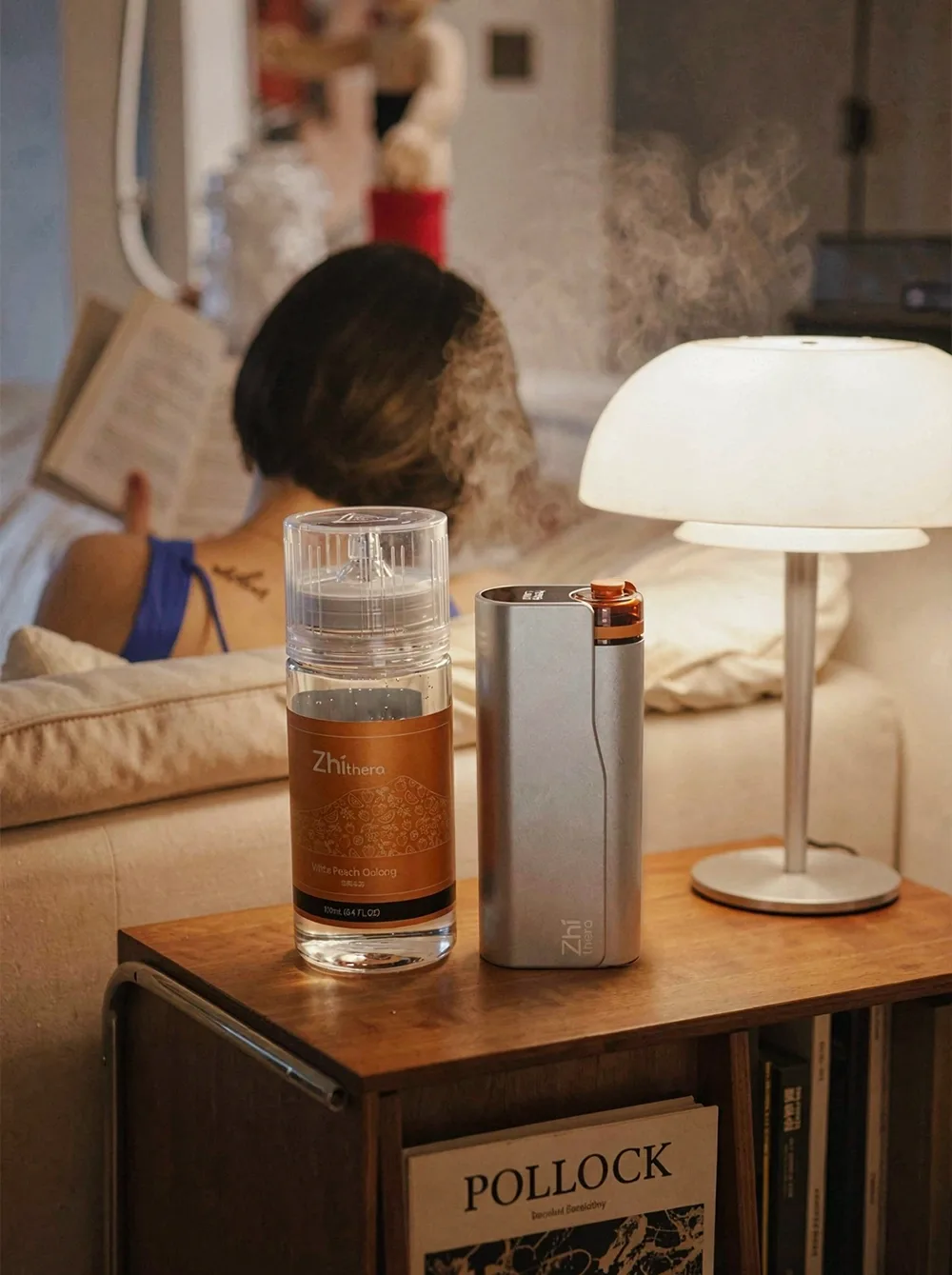
There is no single answer to how much oil to use, because water-based and waterless diffusers use oil in completely different ways. The goal is the same either way: a scent that is clearly there but never overwhelming, and that stays pleasant over a long session. This guide explains what to adjust on each type and how to dial it in.
The biggest factor is whether your diffuser is ultrasonic (water-based) or waterless (nebulizing). With one you count drops; with the other you choose a setting. If you are not sure which type suits you, our comparison of waterless vs ultrasonic diffusers breaks it down.
These diffusers mix a few drops of oil into a tank of water. Follow the ratio in your diffuser's manual, start at the low end, and adjust for the size of the room and your own taste. More drops mean a stronger scent. Because the oil is diluted, the aroma is softer and tends to fade as the tank empties.
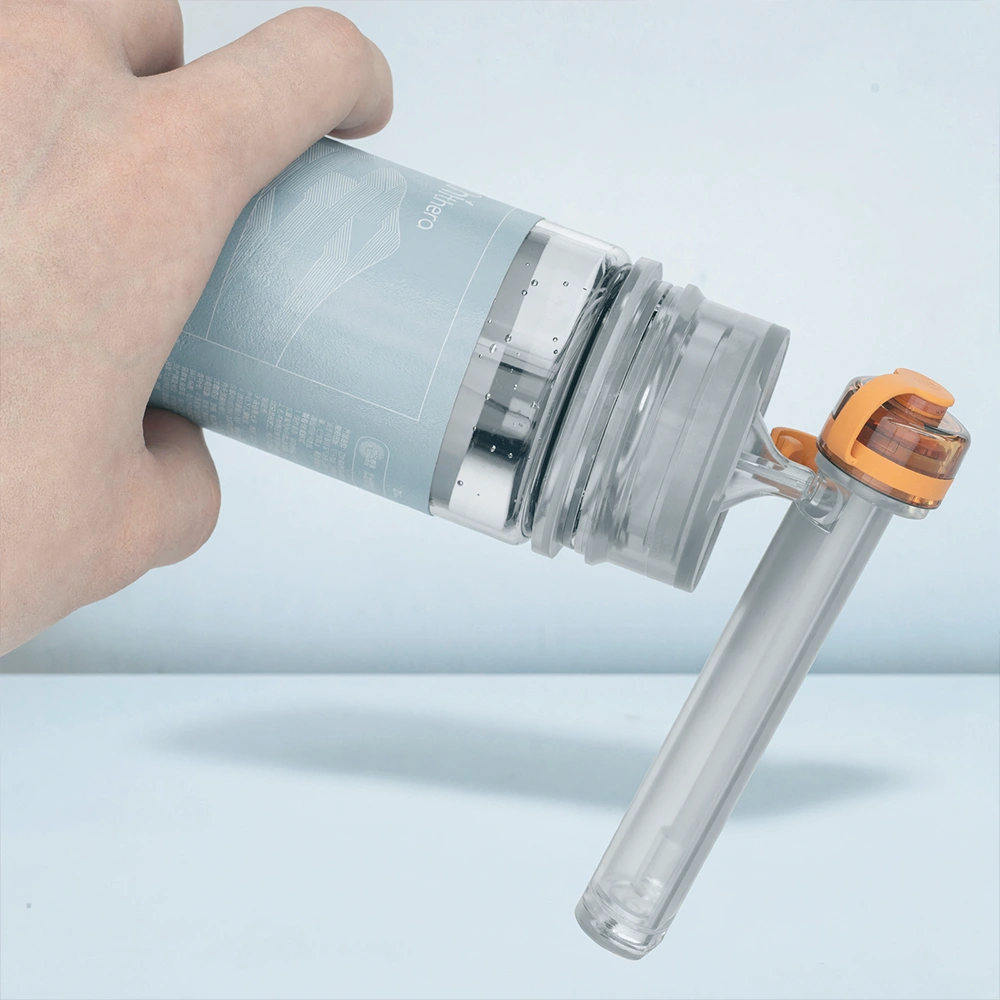
Waterless units atomize undiluted oil straight from the cartridge, so you don't count drops at all: you fill the cartridge, and the output setting controls the strength. Measured on the Zhithera D1, the low intermittent setting uses about 0.14 mL per hour, medium about 0.87 mL, and high continuous about 4.3 mL. In practice, one full 6.5 mL cartridge lasts about two days on low, about 7.5 hours on medium and about 1.5 hours on high, which is meant for filling a space quickly. Use thin, low-viscosity oils to keep the mist clean; oils diluted with carrier oils such as grapeseed, jojoba or olive tend to clog the mesh (pure oils vs diluted blends).
A small space needs very little output; a large, open one needs more to feel even. As a starting point with a Zhithera diffuser:
Ceiling height, airflow and open doorways all matter, so treat these as starting points and adjust by nose. See also how to choose the right diffuser for every room.
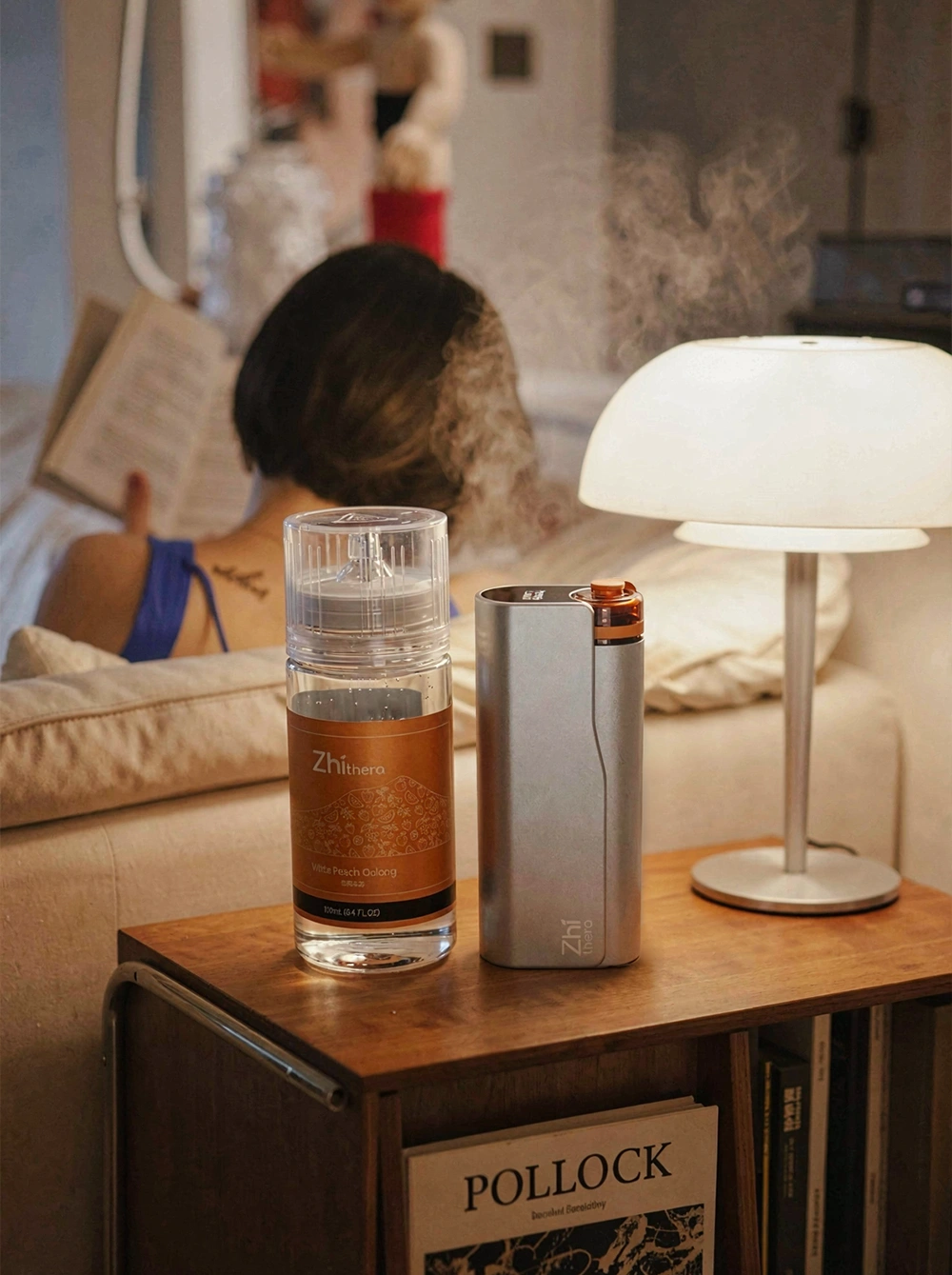
On its low settings, Zhithera's waterless micro-mesh design diffuses in short bursts and uses no oil during the pause, so a small amount of pure essential oil scents a room for a long time. When you want to fill a space fast, a short run on high does the job. Pick the setting that suits the moment and let the diffuser handle the rest.
You don't count drops. Fill the 6.5 mL refillable cartridge with oil and choose low, medium or high.
A 10 mL bottle fills the 6.5 mL cartridge about one and a half times. How long that lasts depends on the setting: one full cartridge runs about two days on low.
No. A gentle scent you can just notice is more pleasant over a long session than a strong one, and it uses far less oil.
Essential oils are aromatic products for diffusion only and are not intended to diagnose, treat, cure or prevent any condition. Never apply oils to skin or swallow them; keep oils and devices out of reach of children and pets, and diffuse in a well-ventilated room.
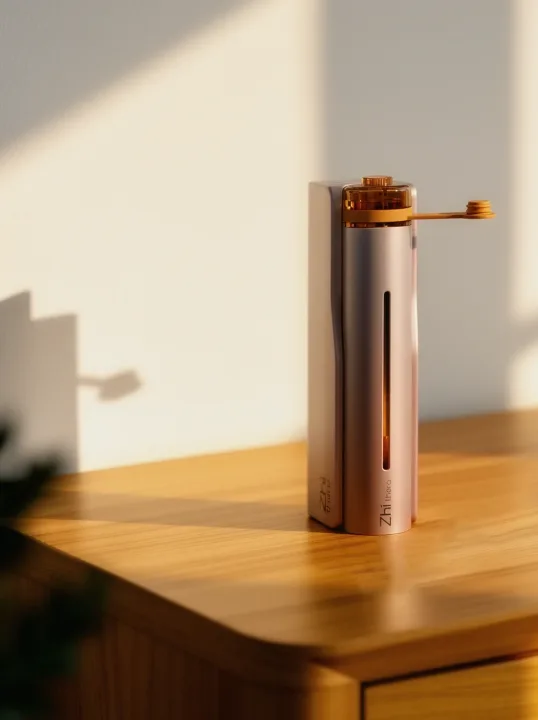 October 18, 2026
Are Waterless Diffusers Worth It? Cost vs Value
October 18, 2026
Are Waterless Diffusers Worth It? Cost vs Value
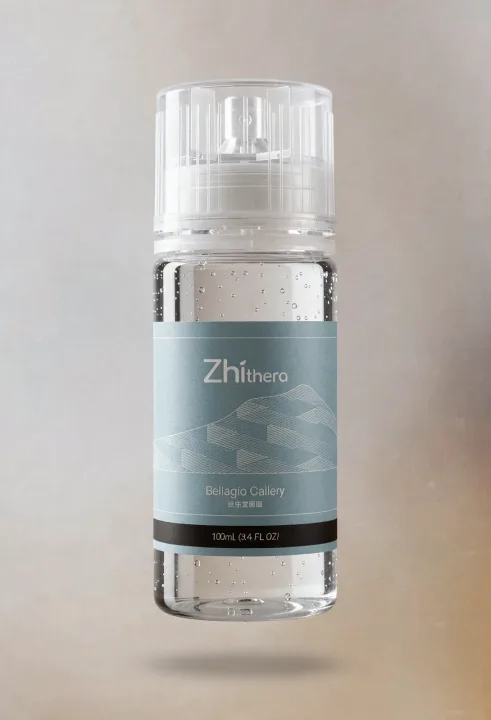 October 14, 2026
Nebulizing Diffuser One: How a Single Waterless Unit Works
October 14, 2026
Nebulizing Diffuser One: How a Single Waterless Unit Works
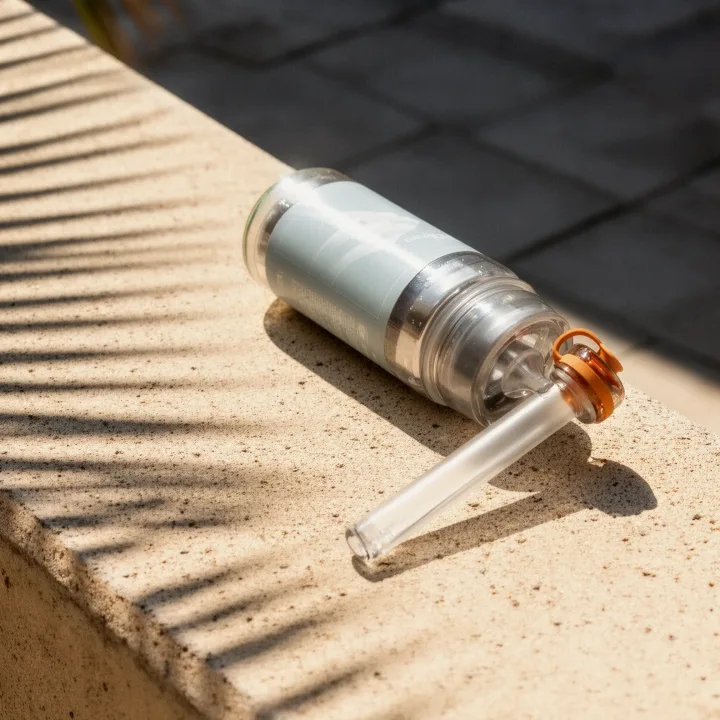 October 13, 2026
Private Label Waterless Diffusers and Custom Scents: How OEM with Zhithera Works
October 13, 2026
Private Label Waterless Diffusers and Custom Scents: How OEM with Zhithera Works
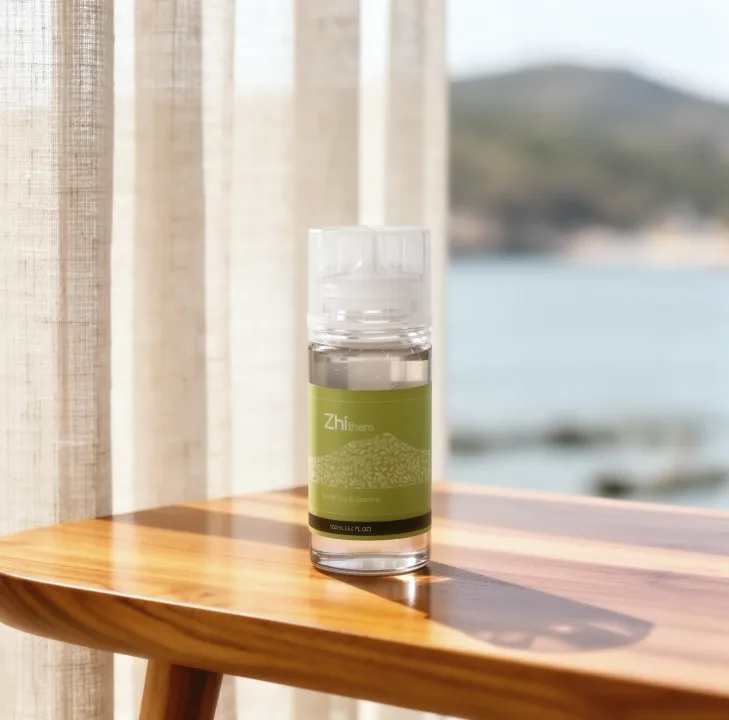 October 13, 2026
Scenting Solutions for Hotels, Offices & Automotive Businesses
October 13, 2026
Scenting Solutions for Hotels, Offices & Automotive Businesses
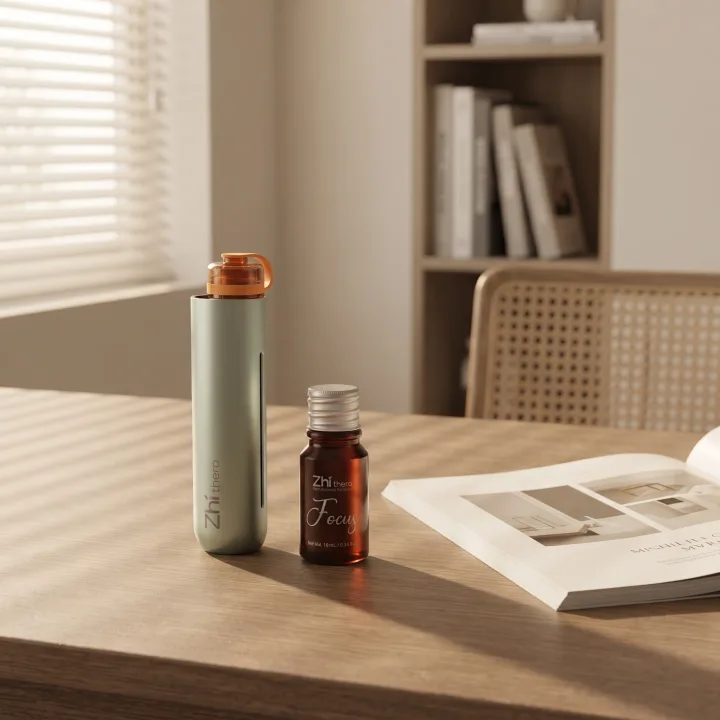 October 11, 2026
How Sustainable Are Waterless Diffusers? Water, Oil and Hardware
October 11, 2026
How Sustainable Are Waterless Diffusers? Water, Oil and Hardware
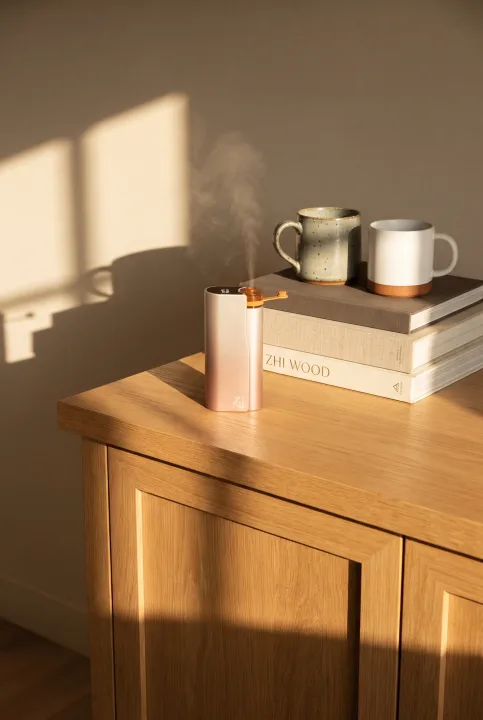 October 7, 2026
Side-by-Side Diffuser Model Comparison and Tech Specs
October 7, 2026
Side-by-Side Diffuser Model Comparison and Tech Specs


Zhithera – A Professional Aromatherapy Delivery System Zhithera designs waterless, heat-free diffusers that atomize pure botanical essential oils and designer fragrance oils into a micron-fine mist using Advanced Micro-Mesh Atomization. Built for consistent, controllable aromatic states — focus, relaxation, recovery and restful ambiance — our range serves homes, offices, cars, spas, hotels and retail spaces worldwide. Every batch is traceable and supported by recognized third-party testing, with dependable wholesale and distribution support for partners around the globe.
Aromatherapy & Essential Oil Notice
Zhithera essential oils and fragrance oils are non-medical aromatic products intended for diffusion only. They are not intended to diagnose, treat, cure or prevent any disease or condition, and are not medical devices. Do not apply oils to skin or ingest them, and keep oils and devices out of reach of children and pets. Ensure good ventilation, and if you are pregnant, nursing or have a medical condition, please consult a qualified professional before use. Scent is experienced differently by everyone; discontinue use if any irritation occurs. We make no therapeutic, disinfecting or insect-repellent claims for any Zhithera product.