



 CART
0
Items
0.00
CART
0
Items
0.00
NEWS & BLOG · June 13, 2025 · By Zhithera
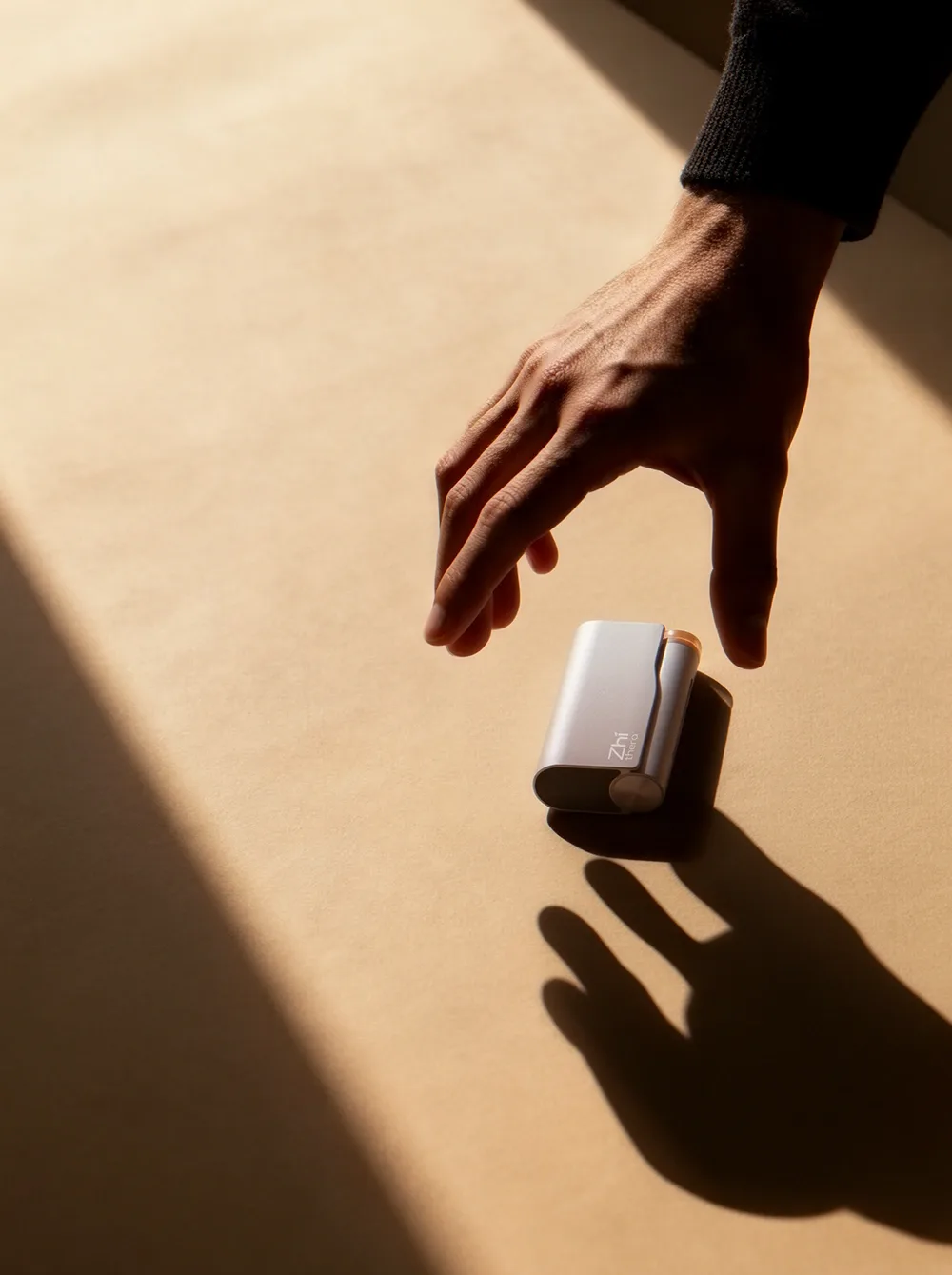
Aromatherapy can sound like a specialist hobby, but at home it is simple: using pleasant botanical scents to shape the atmosphere of a room. You need very little to begin. A diffuser and a few essential oils are enough to build a daily scent ritual, whether you want a bright kitchen in the morning or a softer bedroom at night. This guide walks you through each step.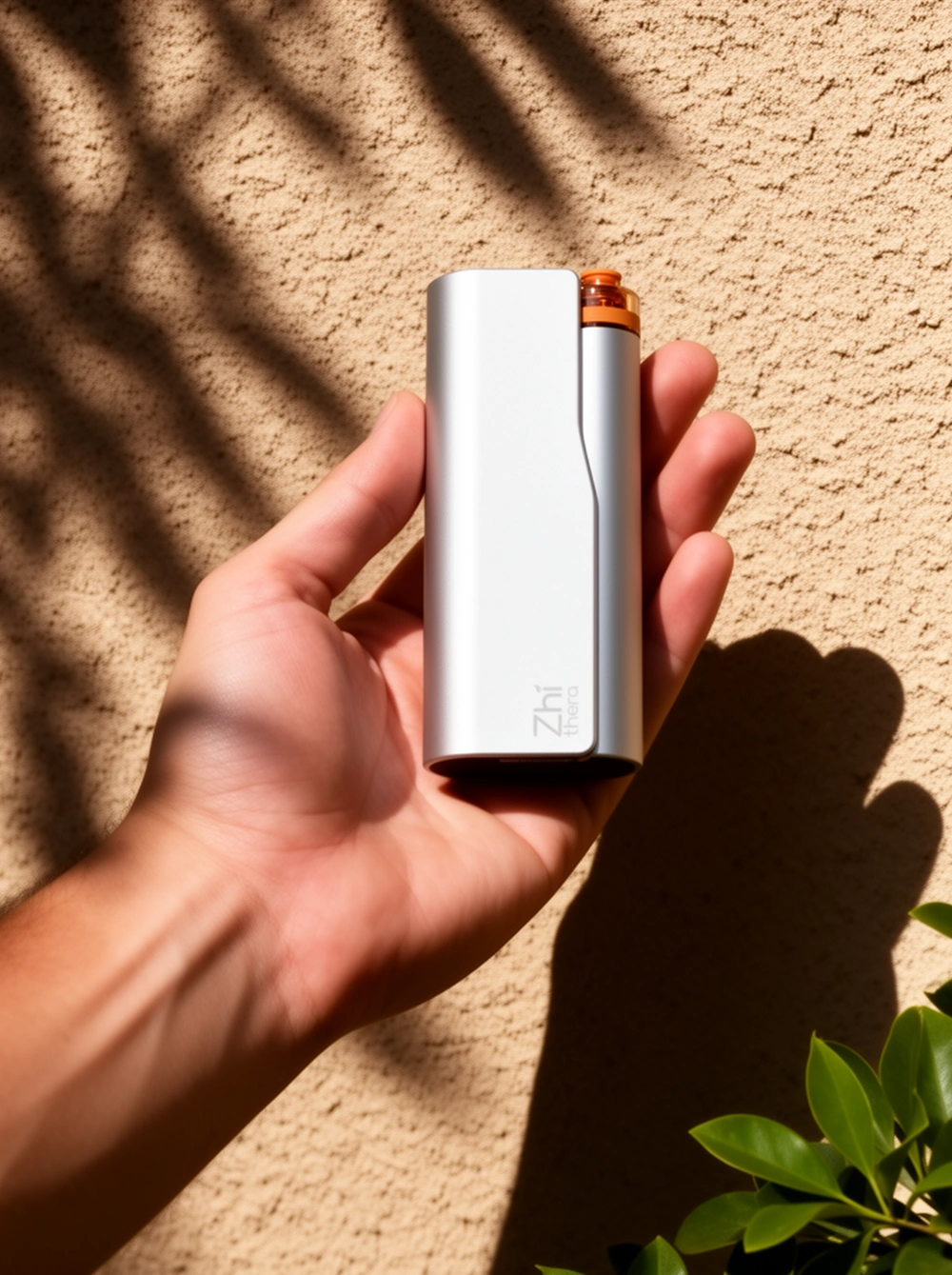
Aromatherapy, as we use the word, means enjoying the aromas of plant oils to set an atmosphere: relaxed, bright, fresh or cozy. It is about scent and ambiance, not health claims. Think of it as styling a room with fragrance the way you would with lighting or music.
A waterless diffuser is an easy first choice. It atomizes oil directly into a fine mist with no water tank and no heat, so the scent stays true to the oil and there is little to clean. Zhithera's two models cover most homes: the D1, with an aluminum body, a 3500 mAh charging dock and low, medium and high output, and the lighter D1 Mini, which has a magnetic car mount and three intermittent modes. Both take the same 6.5 mL refillable cartridge, and both run essential oils and fragrance oils. To compare approaches first, see what is a nebulizing diffuser and waterless vs ultrasonic diffusers. You can compare the D1 waterless diffuser and the portable D1 Mini side by side.
Three or four pure essential oils in different families (one citrus, one floral, one herbal) give you plenty to explore without overbuying.
Think about the atmosphere you want in each space. Brighter scents tend to suit the kitchen, entryway and home office; softer ones suit the bedroom and reading corner. Start on the lowest or intermittent setting for short sessions and adjust to taste. At close range, around a desk, nightstand or car, a low setting is usually all you need. Pure essential oils fade fairly quickly, so they shine in small and mid-sized rooms; for a large living room, a fragrance oil holds better.
Once you know what you like, try pairing scents across the day rather than mixing them in one cartridge, where different oils tend to muddy each other. Run citrus in the morning and lavender in the evening, or keep rosemary for the desk and sweet orange for the living room. Because the cartridge is refillable and swaps out, changing scent takes seconds.
Keep oils and devices out of reach of children and pets, and keep the room ventilated. If anyone in the home is pregnant or breastfeeding, is an infant or older adult, takes medication or has a chronic condition, check with a qualified professional before diffusing. Rosemary in particular calls for advice first for anyone with high blood pressure, a history of seizures, or a pregnancy. Cats and dogs are more sensitive to some oils, tea tree included, so use the lowest setting and let pets leave the room freely. Our full guide to essential oil safety around children, pets and sensitive groups covers this in depth. Essential oils are for diffusion only: never apply them to skin or swallow them.
Two habits keep a mesh diffuser misting well: use pure, low-viscosity oils, and if the mist shrinks, wipe the mesh lightly with a tissue or cotton swab without pressing down. The cartridge is a consumable; swapping in a fresh one about every five refills keeps output at its best. See how to clean and maintain your diffuser.
Three or four is plenty: one citrus, one floral such as lavender, and one herbal such as rosemary.
Pure single oils usually atomize fine. Oils pre-diluted with carrier oils like jojoba or grapeseed, often sold for massage or roll-on use, are too thick for a mesh diffuser.
On the D1's low setting, a full 6.5 mL cartridge lasts about 46.5 hours of running time; on high continuous it lasts about 1.5 hours, since high is meant to fill a room quickly.
With one Zhithera diffuser and a few oils, you can go from a bright morning scent to a soft evening one with a quick cartridge swap.
Essential oils are aromatic products for diffusion only and are not intended to diagnose, treat, cure or prevent any condition.
 October 18, 2026
Are Waterless Diffusers Worth It? Cost vs Value
October 18, 2026
Are Waterless Diffusers Worth It? Cost vs Value
 October 14, 2026
Nebulizing Diffuser One: How a Single Waterless Unit Works
October 14, 2026
Nebulizing Diffuser One: How a Single Waterless Unit Works
 October 13, 2026
Private Label Waterless Diffusers and Custom Scents: How OEM with Zhithera Works
October 13, 2026
Private Label Waterless Diffusers and Custom Scents: How OEM with Zhithera Works
 October 13, 2026
Scenting Solutions for Hotels, Offices & Automotive Businesses
October 13, 2026
Scenting Solutions for Hotels, Offices & Automotive Businesses
 October 11, 2026
How Sustainable Are Waterless Diffusers? Water, Oil and Hardware
October 11, 2026
How Sustainable Are Waterless Diffusers? Water, Oil and Hardware
 October 7, 2026
Side-by-Side Diffuser Model Comparison and Tech Specs
October 7, 2026
Side-by-Side Diffuser Model Comparison and Tech Specs


Zhithera – A Professional Aromatherapy Delivery System Zhithera designs waterless, heat-free diffusers that atomize pure botanical essential oils and designer fragrance oils into a micron-fine mist using Advanced Micro-Mesh Atomization. Built for consistent, controllable aromatic states — focus, relaxation, recovery and restful ambiance — our range serves homes, offices, cars, spas, hotels and retail spaces worldwide. Every batch is traceable and supported by recognized third-party testing, with dependable wholesale and distribution support for partners around the globe.
Aromatherapy & Essential Oil Notice
Zhithera essential oils and fragrance oils are non-medical aromatic products intended for diffusion only. They are not intended to diagnose, treat, cure or prevent any disease or condition, and are not medical devices. Do not apply oils to skin or ingest them, and keep oils and devices out of reach of children and pets. Ensure good ventilation, and if you are pregnant, nursing or have a medical condition, please consult a qualified professional before use. Scent is experienced differently by everyone; discontinue use if any irritation occurs. We make no therapeutic, disinfecting or insect-repellent claims for any Zhithera product.